


In Stock
Lift Elevator Specifications
Lift elevators vary based on type, capacity, speed, and safety features. Hydraulic models suit low-rise buildings, while traction elevators serve high-rises efficiently. Cabin size, door systems, and interior design enhance functionality and aesthetics. Safety features like emergency brakes and backup power ensure reliability and smooth operation in various settings.
Lift Elevator Specifications
Lift elevators are essential for vertical transportation in residential, commercial, and industrial buildings. Their specifications vary based on factors like building requirements, capacity, speed, and safety features. By understanding these specifications, you can select the right elevator for specific needs while ensuring efficiency, comfort, and durability. The design and technical aspects of an elevator determine its performance and suitability for various environments.
Types of Lift Elevators
Lift elevators fall into several categories based on their operating mechanisms and applications. Hydraulic elevators use fluid-driven pistons to move the lift, making them ideal for low to mid-rise buildings. They provide smooth movement and require a machine room to house the hydraulic pump. Traction elevators, commonly used in high-rise buildings, operate with cables and counterweights, offering energy efficiency and higher speeds. Machine-room-less (MRL) elevators are a modern solution that eliminates the need for a separate machine room while maintaining high performance. Pneumatic elevators use air pressure to move the cabin, offering a compact and innovative solution for homes and small commercial spaces.
Capacity and Load Specifications
The capacity of an elevator determines how many passengers or how much weight it can carry safely. Standard passenger elevators typically accommodate 4 to 20 people, with larger models available for commercial use. Freight elevators, designed to transport heavy goods, are ideal for warehouses and factories. Hospital elevators are built to accommodate stretchers, medical equipment, and multiple passengers, ensuring smooth mobility within healthcare facilities. The load-bearing capacity depends on the elevator’s design, materials, and intended use.
Speed and Travel Distance
Elevator speed is a crucial specification, especially in high-rise buildings. Hydraulic elevators usually operate at lower speeds, making them suitable for buildings up to five floors. Traction elevators offer higher speeds, ideal for taller structures with high passenger traffic. High-speed elevators feature advanced braking systems and smooth acceleration to enhance ride comfort. The travel distance depends on the building’s height and the number of floors the elevator serves.
Door Systems and Cabin Design
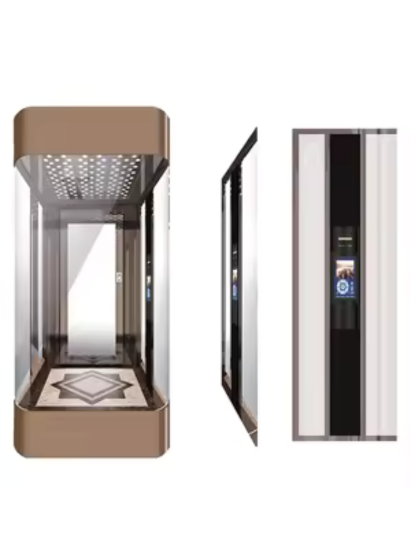
The door mechanism ensures safe and convenient entry and exit. Automatic sliding doors are commonly used in commercial and residential elevators, providing smooth operation. Swing doors are often found in older models or home lifts. The cabin design varies depending on aesthetic preferences and functionality. Stainless steel, glass panels, and wooden interiors enhance the lift’s visual appeal while maintaining durability. Additionally, LED lighting, handrails, and mirrors improve passenger comfort and safety.
Safety Features and Compliance
Safety plays a critical role in elevator specifications. Modern systems include emergency brakes, overload sensors, fire-resistant materials, and backup power systems. Automatic rescue devices ensure passengers can exit safely in case of power failure. Elevators must comply with international and local safety standards to guarantee reliability. Regular inspections and maintenance further enhance safety and extend the system’s longevity.
Reviews
There are no reviews yet.