


In Stock
How Much Is an Elevator in Nigeria
The cost of an elevator in Nigeria depends on factors like type, building height, installation complexity, and maintenance needs. Traction, hydraulic, pneumatic, and machine-room-less elevators each have different structural and space requirements. Proper planning, professional installation, and regular maintenance ensure long-term efficiency, safety, and reliability in residential and commercial buildings.
Elevators have become an essential feature in many buildings across Nigeria, providing convenience, accessibility, and efficiency for residential, commercial, and industrial spaces. The cost of installing an elevator in Nigeria depends on several factors, including the type of elevator, the height of the building, installation complexity, and maintenance requirements. Understanding these factors is crucial when planning for an elevator installation to ensure the right choice is made for long-term efficiency and safety.
Types of Elevators
There are different types of elevators available in Nigeria, each suited for specific building needs. Traction elevators use steel ropes and a counterweight system, making them ideal for mid-rise and high-rise buildings. Hydraulic elevators operate with a fluid-driven piston mechanism, commonly used in low-rise structures. Pneumatic elevators function using air pressure, offering a space-saving and modern solution for residential properties. Machine-room-less (MRL) elevators eliminate the need for a separate machine room, reducing space requirements while improving energy efficiency. Each type has its unique installation and maintenance considerations, which impact the overall investment.
Factors Affecting Elevator Installation in Nigeria
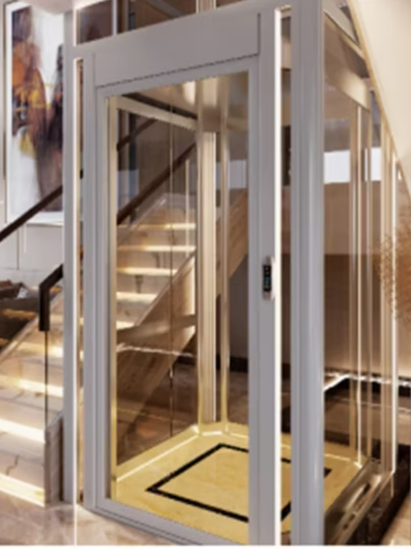
Several key factors influence the installation of elevators in Nigeria. The height of the building plays a crucial role, as taller structures require more advanced elevator systems. Structural modifications may be necessary, especially in older buildings that were not originally designed to accommodate an elevator. The choice of materials and design features, such as cabin size, automatic doors, smart controls, and luxury finishes, also impact the installation process. Additionally, compliance with safety regulations and local building codes is essential to ensure smooth approval for installation.
Installation Process
The installation process begins with a detailed site assessment conducted by engineers and technicians to determine the best location for the elevator. If the building requires modifications, construction work may include creating an elevator shaft or reinforcing the existing structure. The installation involves setting up guide rails, assembling the elevator motor system, and integrating control mechanisms. The duration of the installation depends on the complexity of the project and the type of elevator chosen. Some elevators, like pneumatic models, require minimal structural changes, making them quicker to install, while others, such as traction elevators, need more extensive preparation.
Maintenance and Long-Term Considerations
Maintaining an elevator is crucial for ensuring its smooth operation and longevity. Regular servicing includes inspections, lubrication, and replacement of worn-out parts to prevent mechanical failures. Hydraulic elevators require periodic fluid maintenance, while traction elevators need regular rope inspections and motor servicing. Scheduled professional maintenance helps to enhance performance and ensures compliance with safety standards. Investing in proper upkeep prevents unexpected breakdowns and extends the elevator’s lifespan, making it a cost-effective choice over time.
Safety and Compliance
Safety is a top priority when installing elevators in Nigeria. Modern elevators come equipped with advanced security features such as emergency brakes, speed regulators, backup power systems, and automatic door sensors. These features help prevent accidents and ensure a comfortable experience for passengers. Government regulations and building codes require strict adherence to safety standards, making it necessary to work with certified professionals when installing and maintaining an elevator.
Reviews
There are no reviews yet.